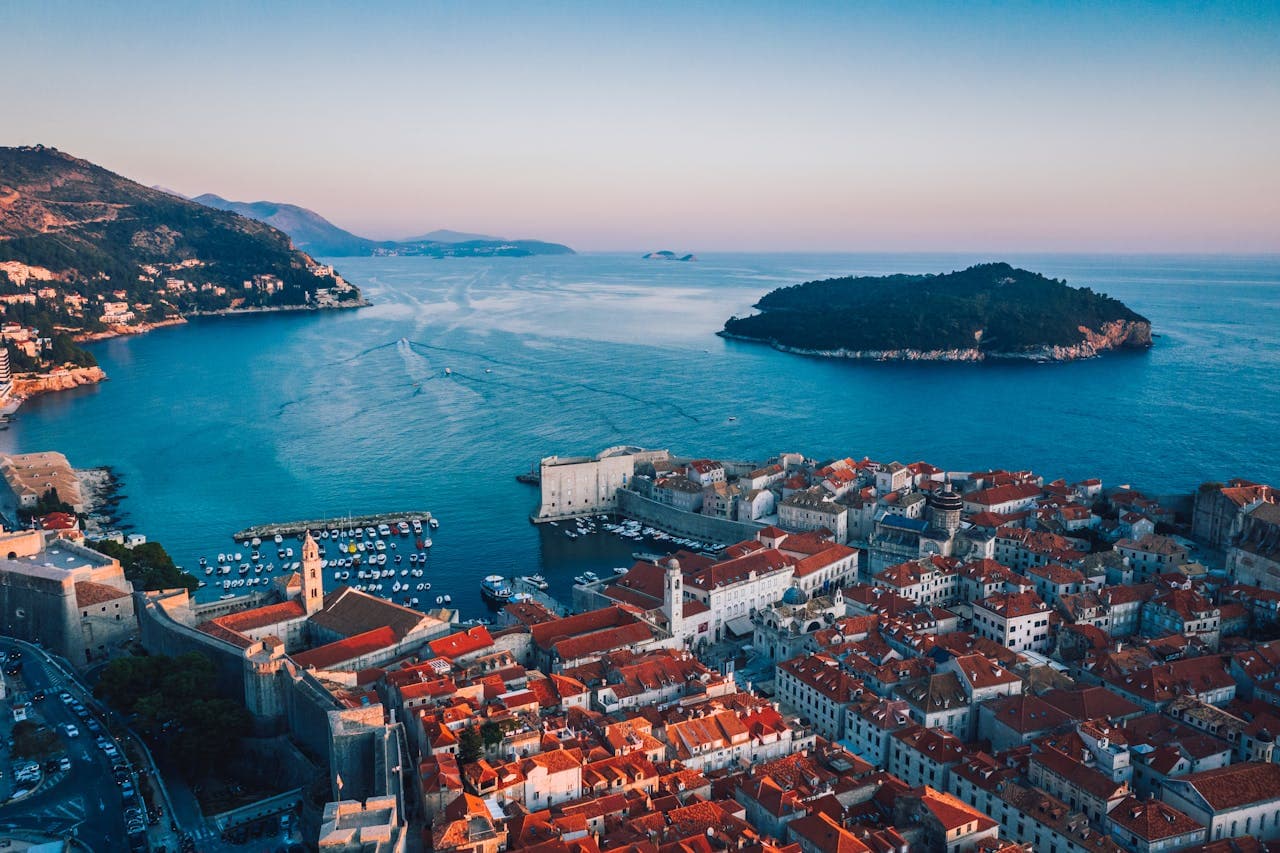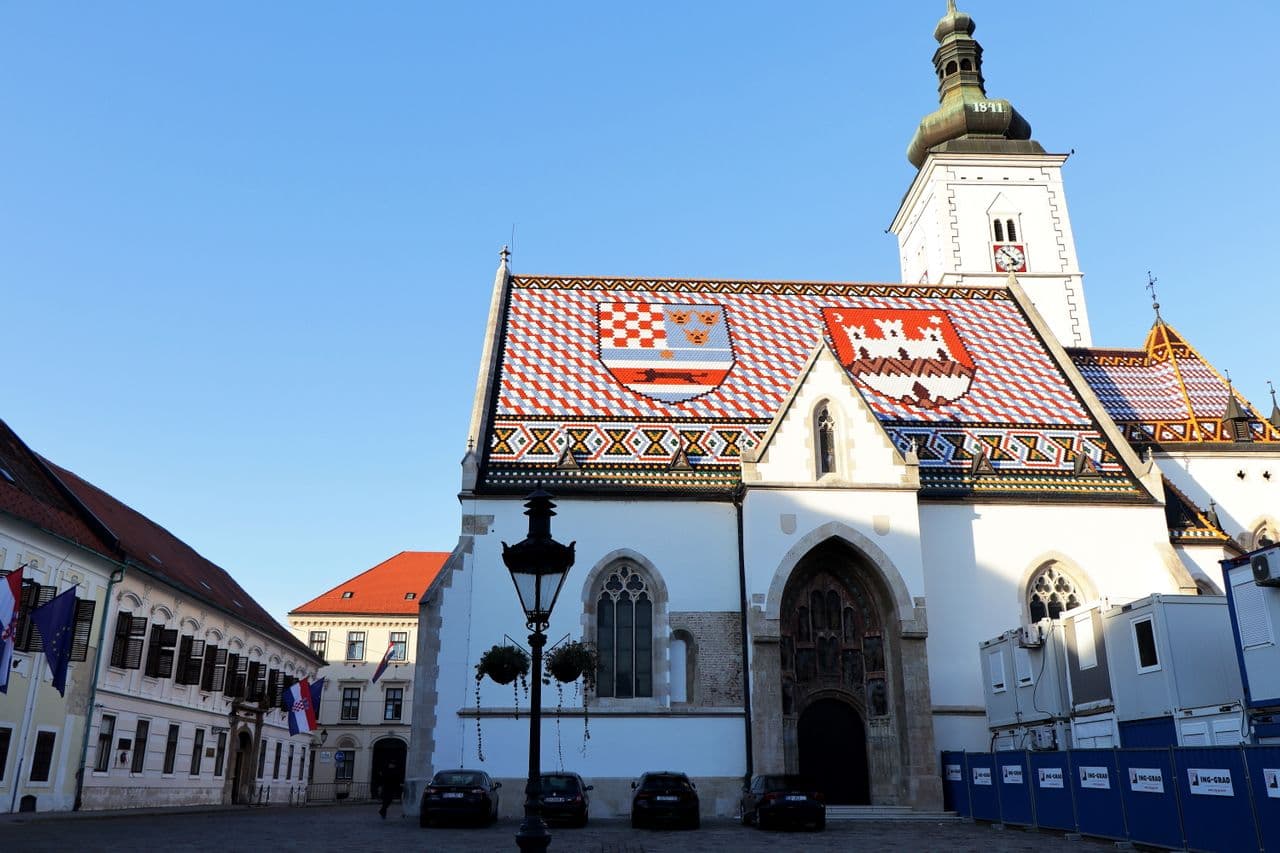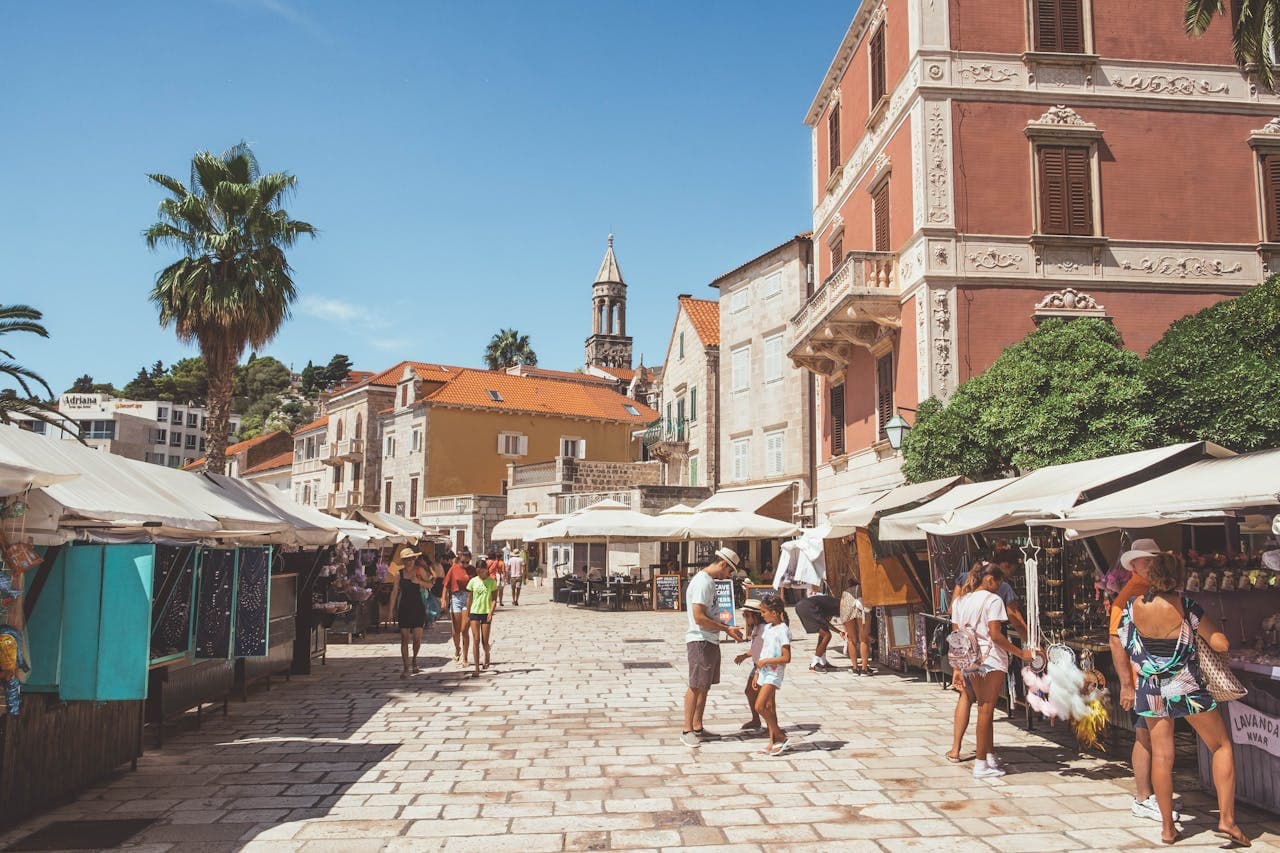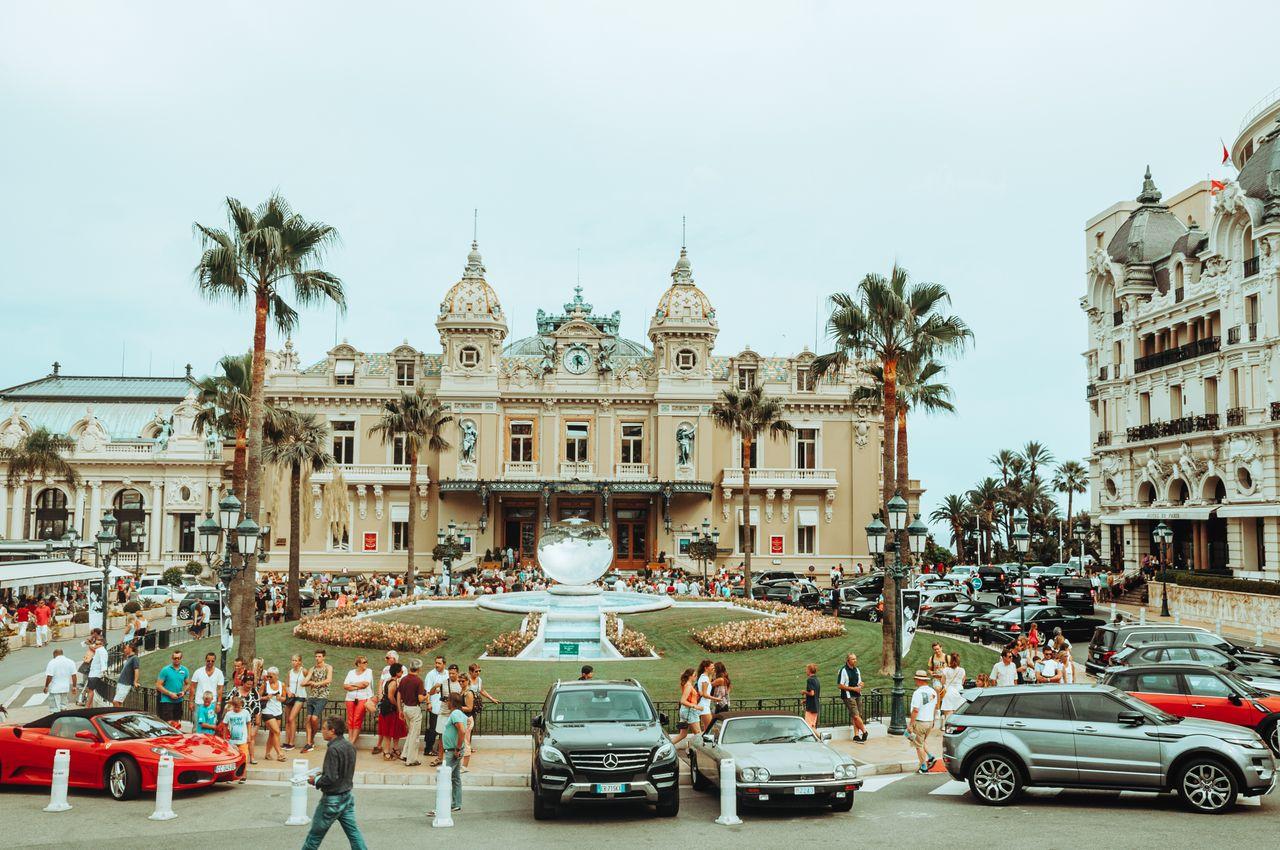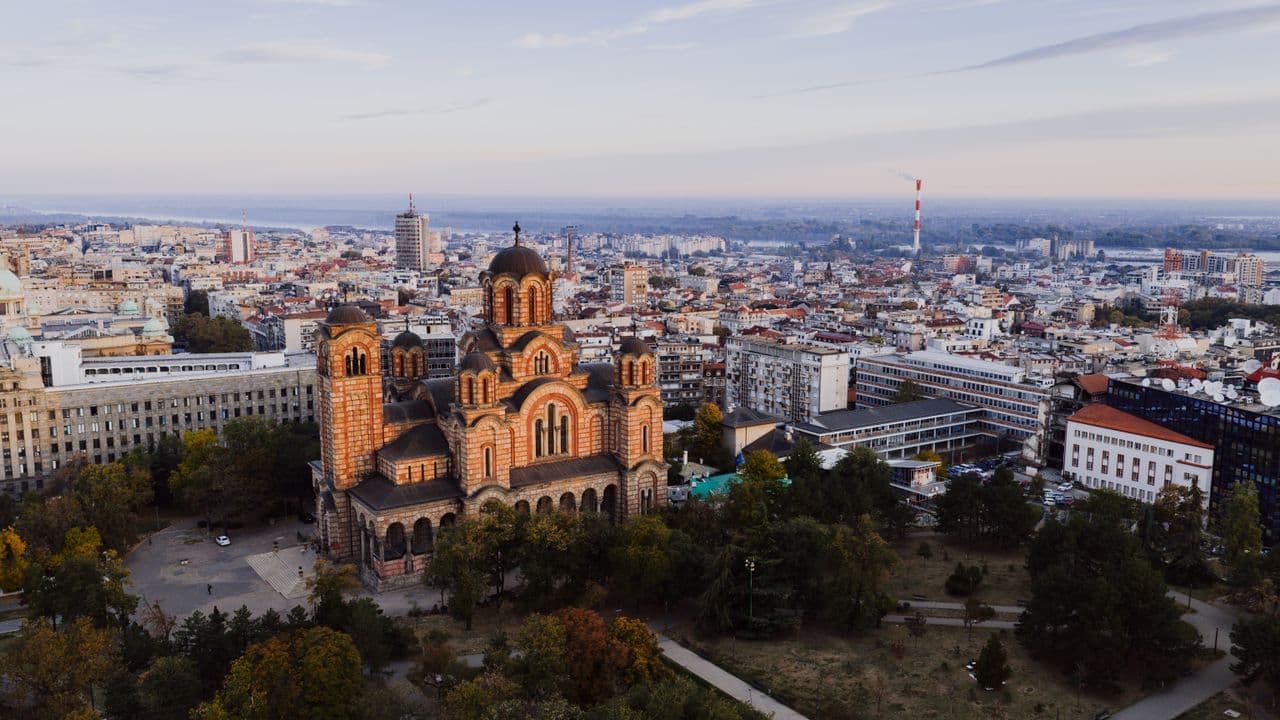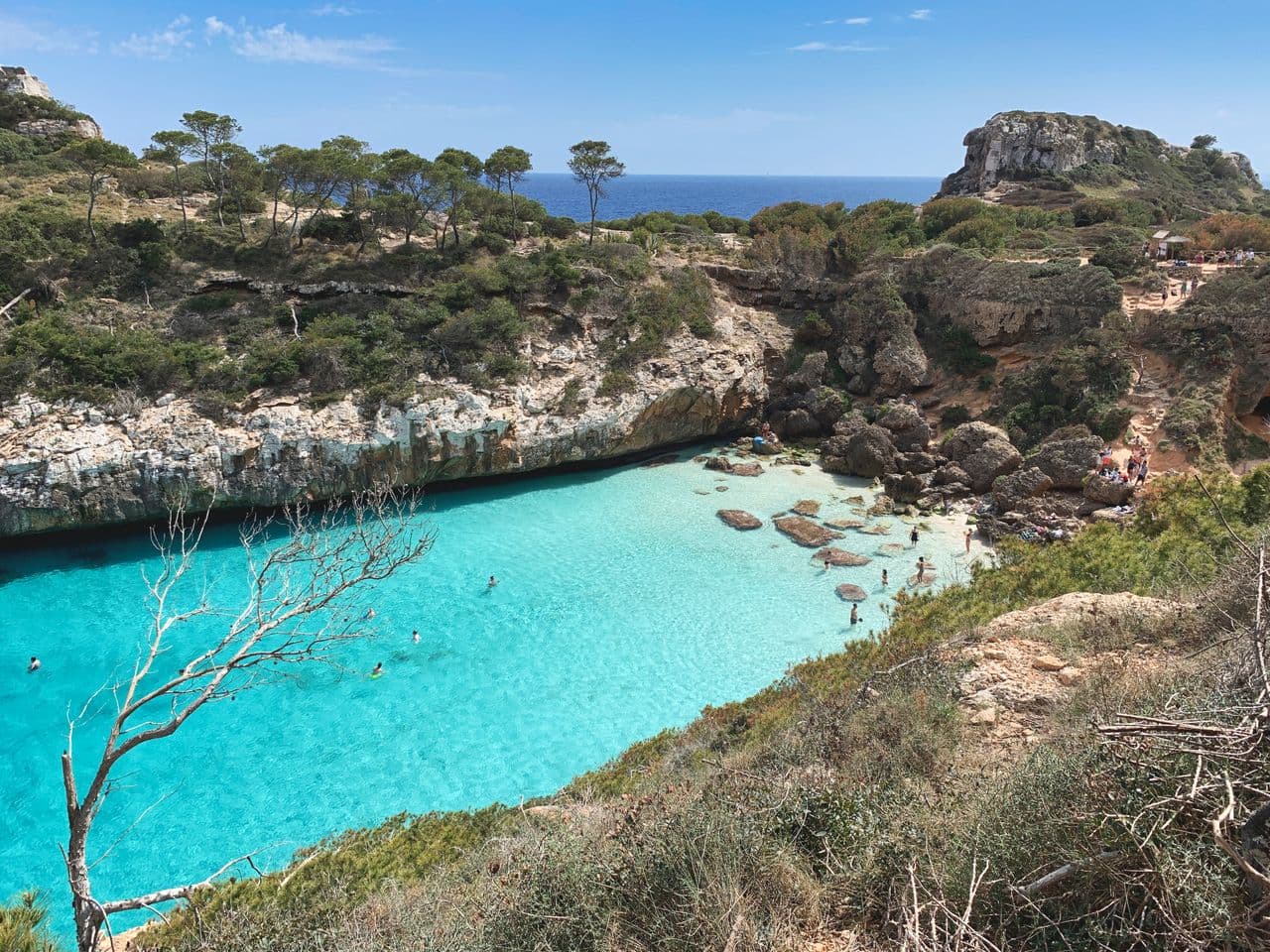
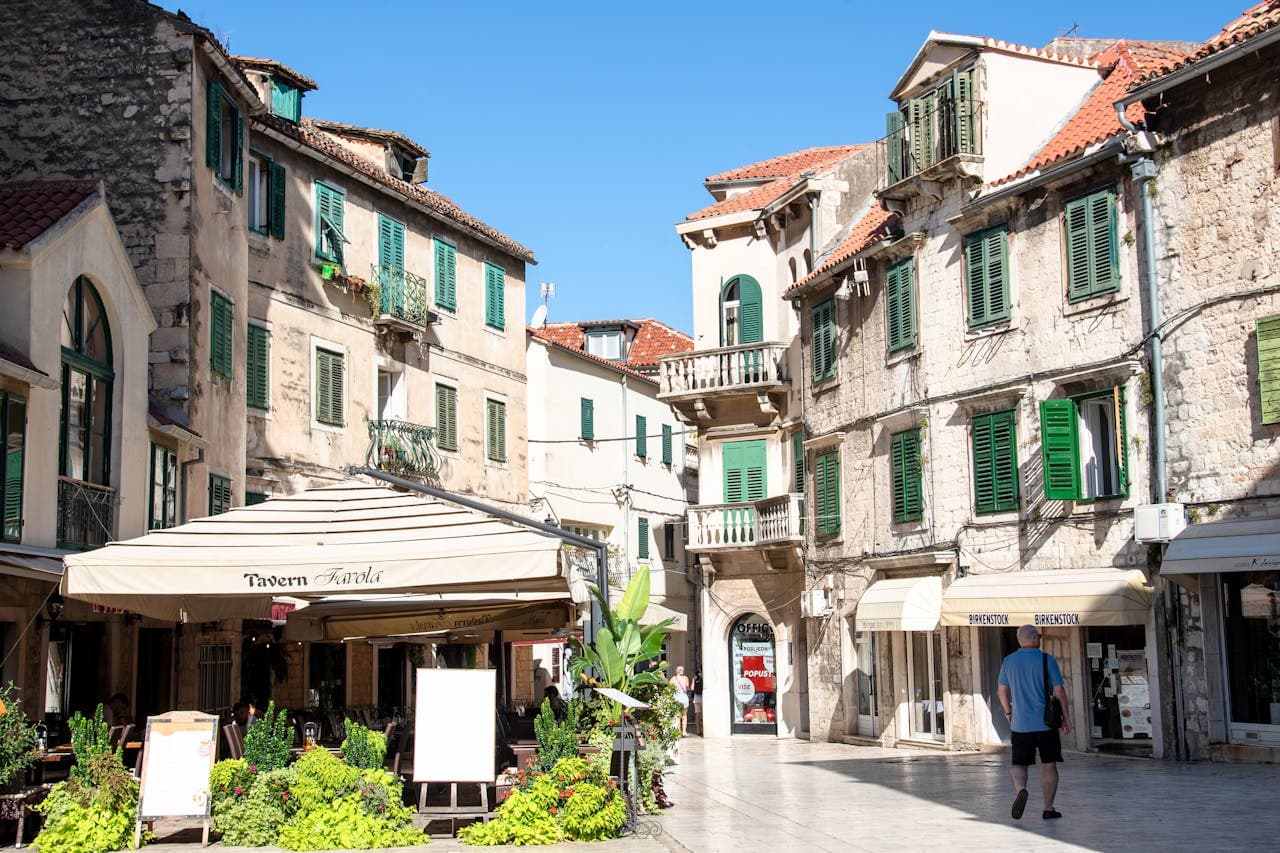
Located on the Dalmatian coast, Split is Croatia’s second-largest city and one of the most vibrant destinations in the Balkans. With its UNESCO-listed Roman palace, scenic waterfront, and lively local life, Split is both a historical treasure and a modern getaway.
What Are the Most Popular Areas to Visit in Split?
- Old Town (Stari Grad): (📍 Map) A maze of narrow cobblestone streets surrounding Diocletian’s Palace, filled with cafes, bars, and history.
- Riva Promenade: (📍 Map) The seaside boardwalk lined with palm trees, restaurants, and perfect spots to watch the sunset.
- Bačvice: (📍 Map) Famous for its sandy beach and lively nightlife, popular with locals and tourists alike.
- Veli Varoš: (📍 Map) A traditional neighborhood with stone houses and authentic Croatian charm.
- Marjan Hill: (📍 Map) A forested park ideal for hiking and panoramic views of the city and sea.
What Are the Best Products to Buy in Split?
- Olive Oil: Locally made extra virgin olive oil is a prized Croatian product.
- Lavender Products: Soaps, oils, and sachets from nearby Hvar and Dalmatian coast.
- Traditional Lace: Handmade lace from Croatian islands, especially Pag and Hvar.
- Rakija: A strong fruit brandy, often homemade, especially from figs or plums.
- Coral Jewelry: Locally crafted red coral pieces, especially from the Adriatic coast.
What Are the Must-Try Foods in Split?
- Pasticada: A slow-cooked beef stew marinated in vinegar and spices, served with gnocchi.
- Black Risotto (Crni Rižot): A squid ink seafood risotto rich in Mediterranean flavor.
- Grilled Fish: Fresh catch of the day, often served with Swiss chard and potatoes.
- Peka: Meat or seafood and vegetables slow-cooked under a bell-like dome.
- Fritule: Mini Croatian doughnuts dusted with sugar, especially popular during holidays.