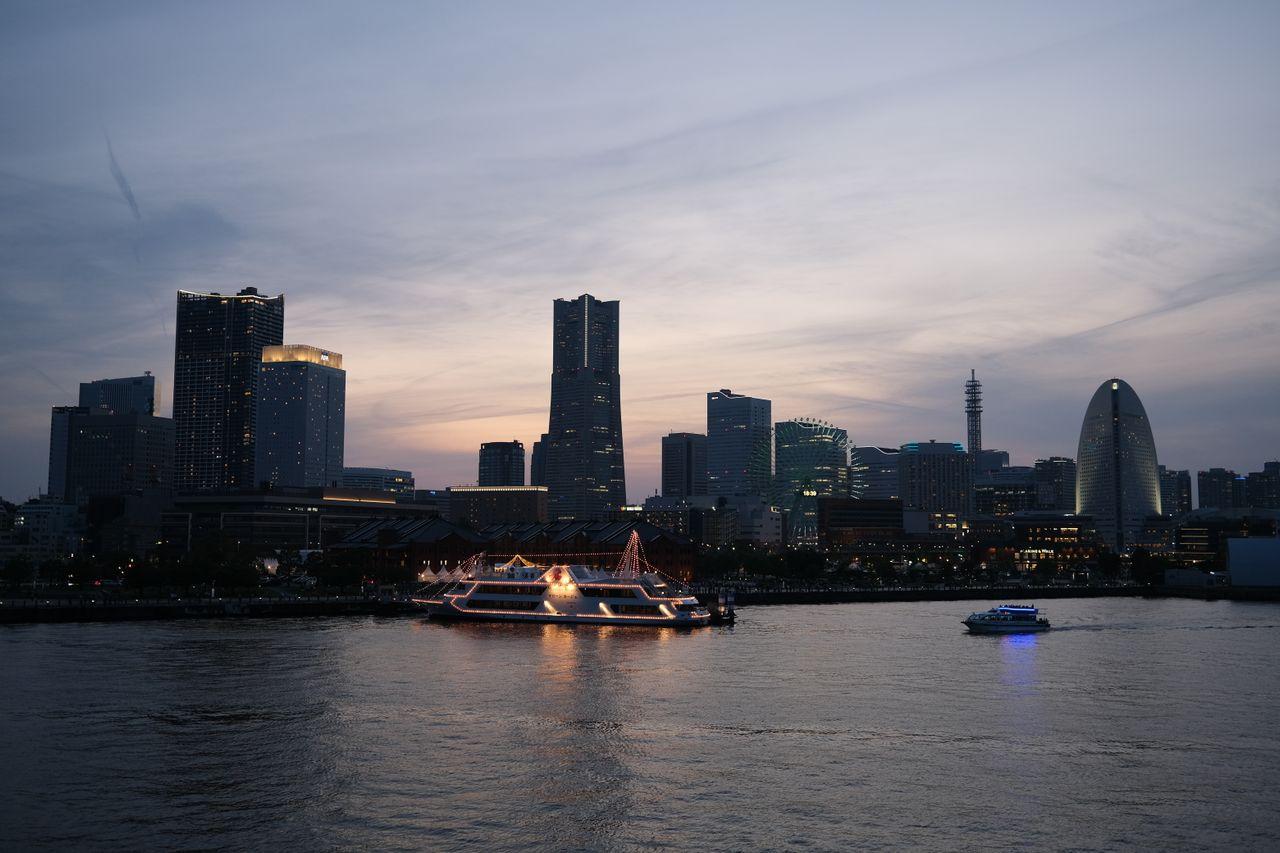
Yokohama is the capital of Kanagawa Prefecture and the second-largest city in Japan, with a population of about 3.7 million people spread along the western shore of Tokyo Bay. Until the mid-19th century it was a small fishing village, but in 1859, after the end of Japan’s long period of national isolation, it became one of the first ports opened to foreign trade. Merchants and diplomats from Britain, America, China, and beyond settled here, and Yokohama quickly grew into Japan’s gateway to the world, the place where the country’s first railway, daily newspaper, gas street lamps, and many Western customs arrived. The city was devastated by the Great Kanto Earthquake of 1923 and again by bombing in World War II, yet it rebuilt itself each time into the modern, open, and cosmopolitan port city it is today. Yokohama sits only about 30 minutes from central Tokyo by train, making it an easy day trip or a relaxed alternative base, and it is served by both Haneda and Narita airports, with Shin-Yokohama Station on the Tokaido Shinkansen line connecting it to Kyoto and Osaka. Japanese is the main language, though signs in English are common, and the currency is the Japanese yen. The best times to visit are spring from March to May, when cherry blossoms bloom along the waterfront, and autumn from October to November, with mild weather and colorful leaves, while summer is hot and humid but brings lively fireworks festivals over the harbor.
What Are the Most Popular Areas to Visit in Yokohama?
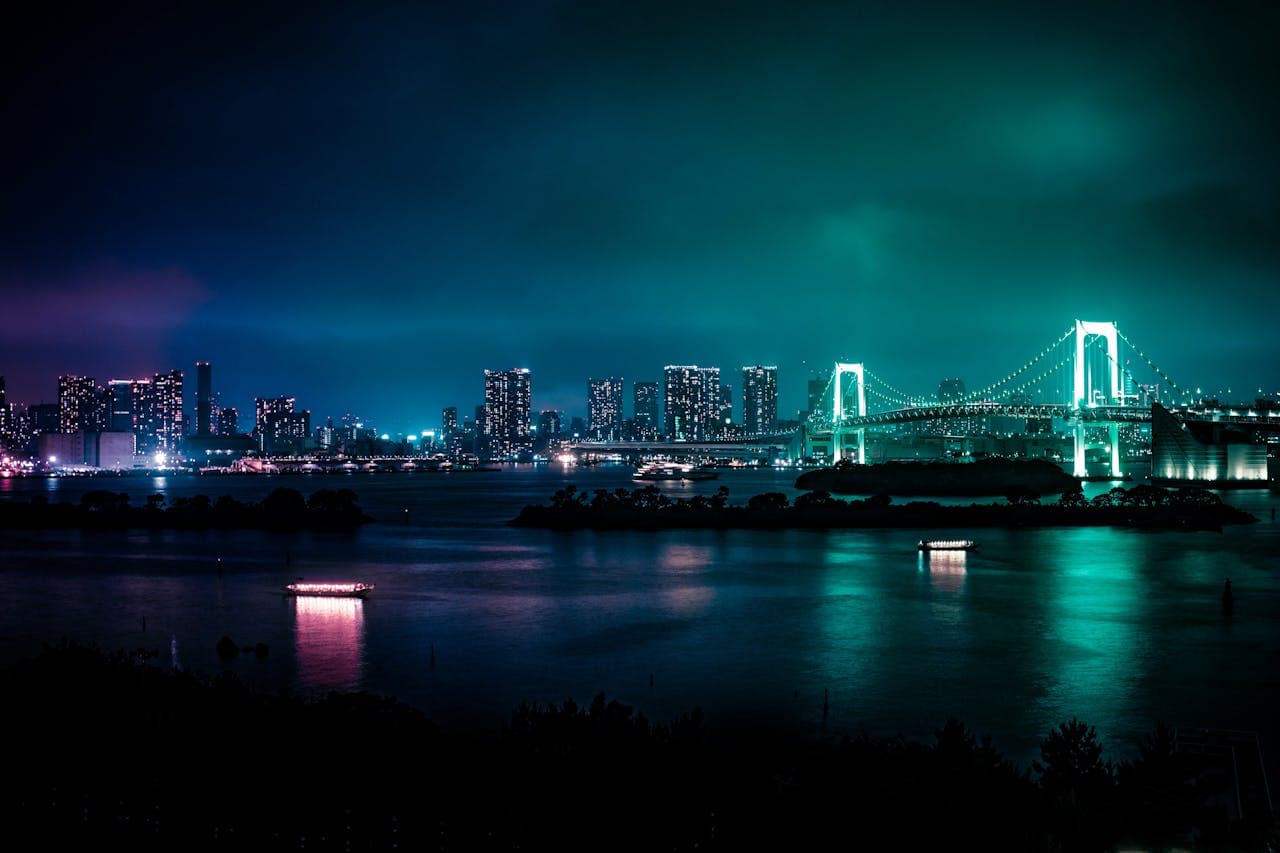
- Minato Mirai 21: (📍 Map) Yokohama’s futuristic waterfront district, home to the Landmark Tower, the Cosmo World amusement park with its giant Ferris wheel, shopping malls, museums, and a stunning skyline that glows at night.
- Yokohama Chinatown: (📍 Map) The largest Chinatown in Japan, with colorful gates, the ornate Kanteibyo Temple, and hundreds of restaurants and street stalls packed into a few lively blocks.
- Yamate: (📍 Map) The Bluff, a leafy hillside neighborhood where foreign residents once lived, lined with preserved Western-style mansions, churches, and the Foreigners’ Cemetery, with views over the harbor.
- Motomachi: (📍 Map) An elegant shopping street at the foot of the Bluff, known for its boutiques, cafés, and long-established local brands that once catered to the foreign community.
- Yamashita Park: (📍 Map) A seaside park built on rubble from the 1923 earthquake, with rose gardens, harbor views, and the historic ocean liner Hikawa Maru moored alongside.
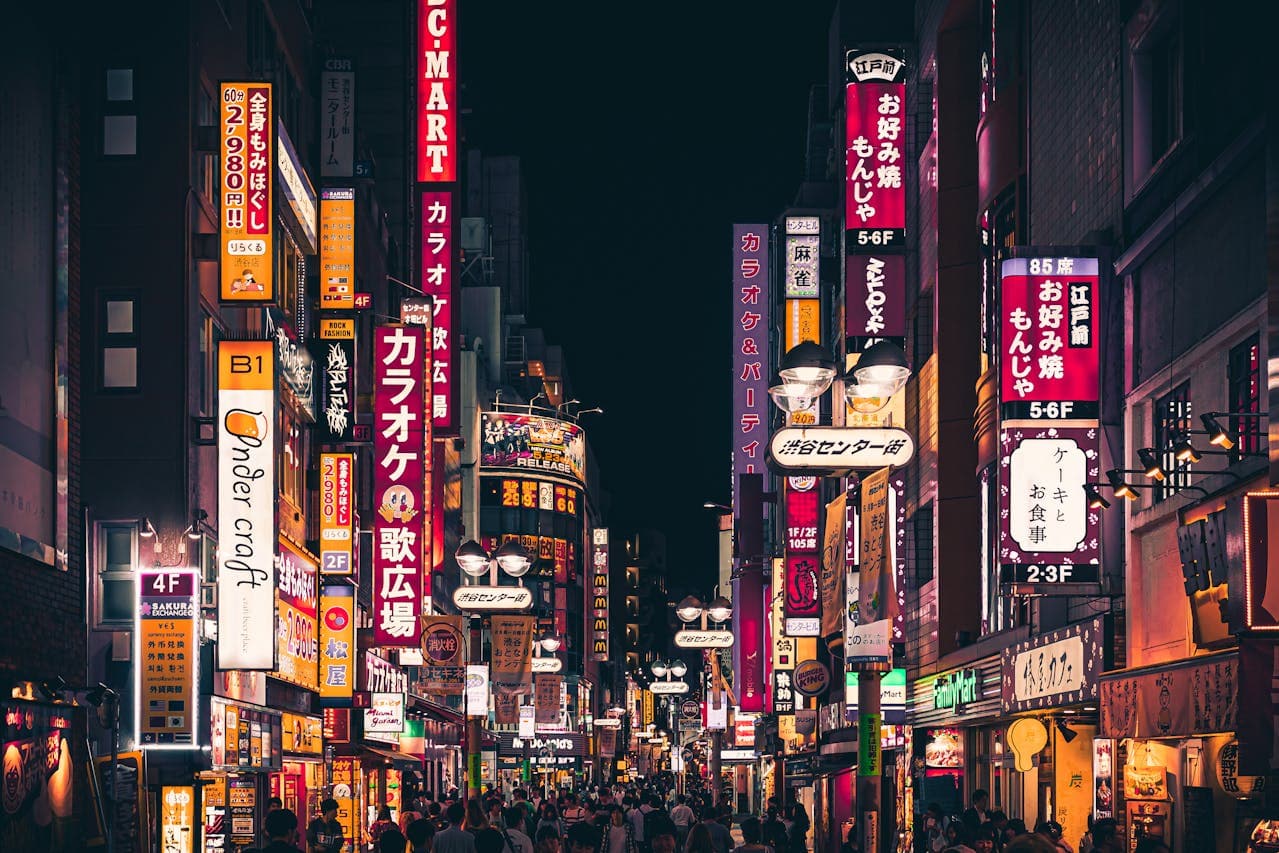
- Kannai and Bashamichi: (📍 Map) The historic heart of the old port, with early 20th-century brick and stone buildings, Yokohama Stadium, and the Noge district’s tiny bars and izakayas nearby.
What Are the Best Products to Buy in Yokohama?
- Custom Cup Noodles: At the Cup Noodles Museum you can design your own cup, choose the soup and toppings, and take home a one-of-a-kind souvenir.
- Chinatown Sweets and Snacks: Mooncakes, sesame balls, almond cookies, and packaged pork buns from the shops of Yokohama Chinatown.
- Yokohama Scarves: Silk and printed scarves made with a traditional hand-dyeing technique, a reminder of the city’s history as Japan’s main silk export port.
- Kiyoken Shumai: Yokohama’s famous pork dumplings, sold in boxes at stations and department stores, a classic edible souvenir loved across Japan.
- Motomachi Goods: Handbags, shoes, and leather goods from long-standing Motomachi brands such as Kitamura and Mihama.
- Harbor-Themed Sweets: Cookies, sablés, and cakes shaped like ships, anchors, and the Landmark Tower, sold in beautiful gift boxes.
What Are the Must-Try Foods in Yokohama?
- Iekei Ramen: Yokohama’s own ramen style, born in the 1970s, with a rich pork and soy sauce broth, thick noodles, spinach, and sheets of nori, often ordered with your choice of noodle firmness and oil level.
- Shumai: Steamed pork dumplings that have been a Yokohama specialty for nearly a century, best known from the Kiyoken shop and its station lunch boxes.
- Sanma-men: A local noodle soup topped with stir-fried bean sprouts and vegetables in a thick, savory sauce, a comforting dish created in the city’s Chinese restaurants.
- Napolitan Spaghetti: A Japanese-style spaghetti with ketchup, onions, peppers, and sausage, said to have been invented at the Hotel New Grand in Yokohama after World War II.
- Gyukunabe: An early form of sukiyaki, beef simmered in a sweet soy broth, which became popular in Yokohama when Westerners introduced beef eating to Japan.
- Chinatown Street Food: Giant steamed pork buns, xiaolongbao soup dumplings, Peking duck wraps, and roasted chestnuts sold from stalls throughout Chinatown.