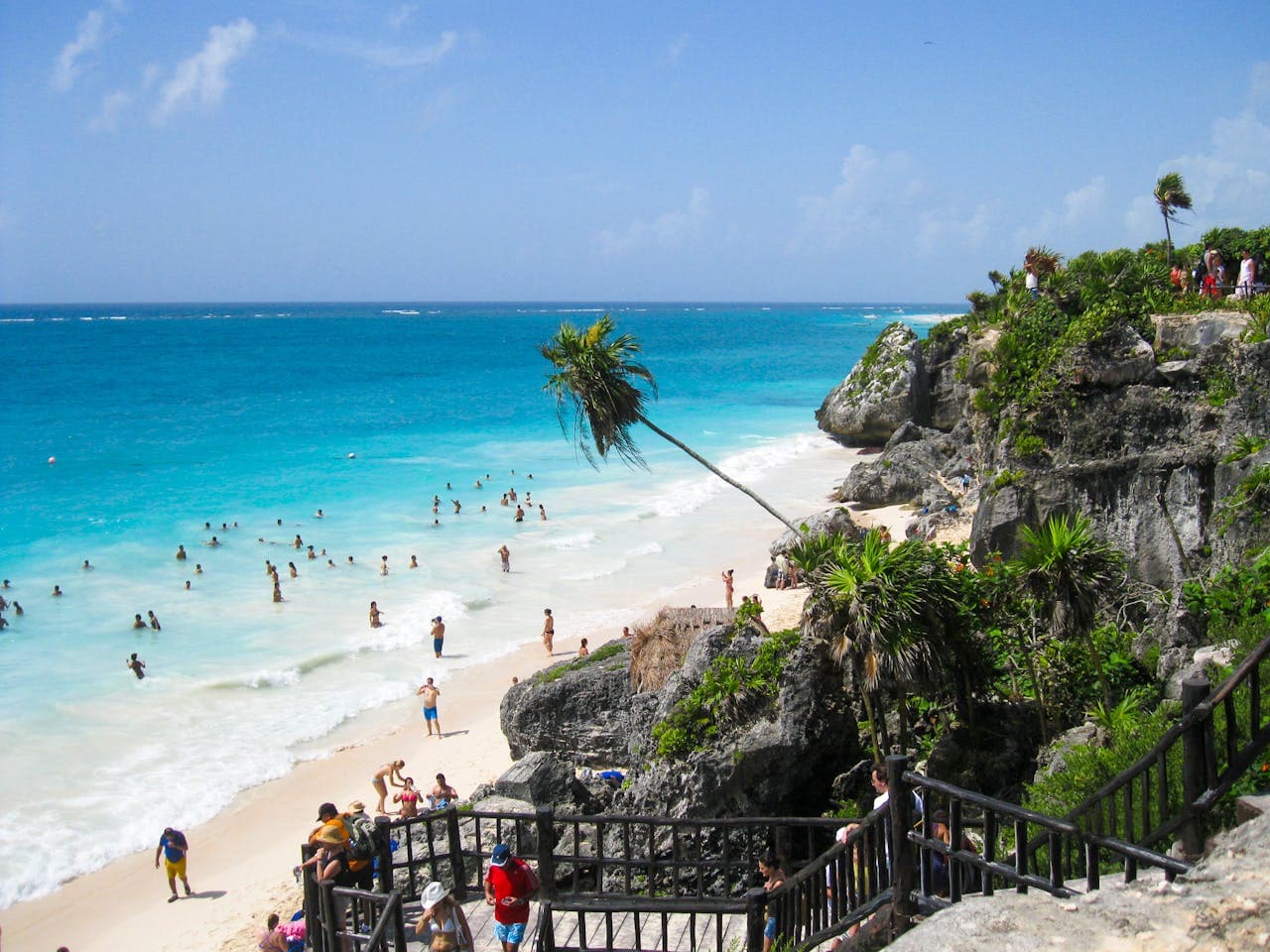
Tulum, located on Mexico’s Caribbean coast, is a bohemian paradise blending ancient Mayan history with white-sand beaches, lush jungles, and eco-conscious living. Whether you're into yoga retreats, cenote diving, or exploring ruins, Tulum offers something magical for every traveler.
What Are the Most Popular Areas to Visit in Tulum?
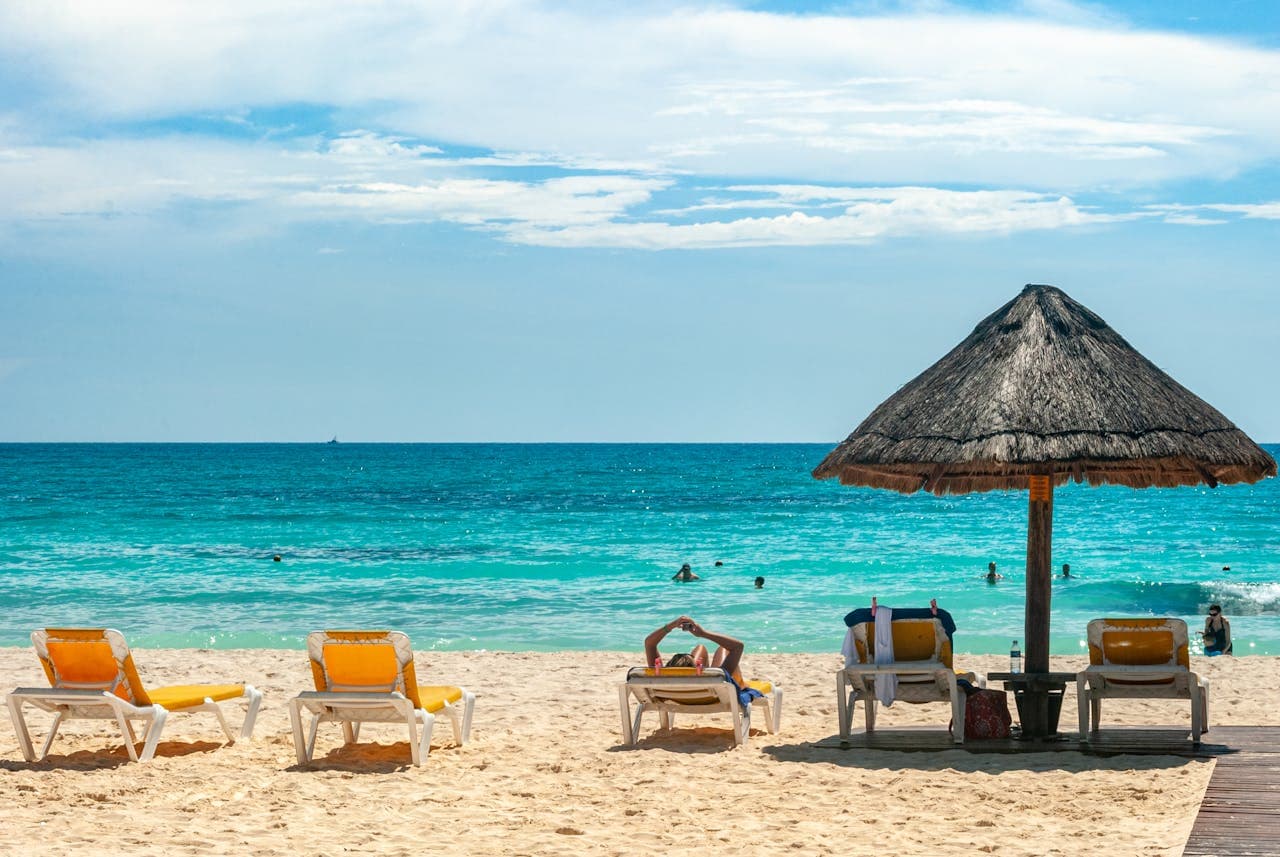
- Tulum Beach (Zona Hotelera): (📍 Map) A scenic stretch of beachfront resorts, boutique hotels, and eco-lodges lining the turquoise sea.
- Tulum Pueblo (Downtown): (📍 Map) The town center where you'll find local eateries, shops, and a more authentic Mexican vibe.
- Aldea Zama: (📍 Map) A trendy, rapidly developing area between the beach and downtown with upscale accommodations and cafes.
- La Veleta: (📍 Map) A residential area with a growing number of vacation rentals and a peaceful atmosphere.
- Sian Ka’an Biosphere Reserve: (📍 Map) A UNESCO World Heritage site offering untouched nature, mangroves, and guided eco-tours.
What Are the Best Products to Buy in Tulum?
- Handwoven Textiles: Colorful hammocks, throws, and rugs made by local artisans using traditional techniques.
- Natural Skincare Products: Eco-friendly lotions, oils, and soaps made with local ingredients like coconut, aloe vera, and cacao.
- Bohemian Fashion: Flowing dresses, handmade jewelry, and sandals found in chic beach boutiques.
- Ceramics and Pottery: Handcrafted pieces inspired by Mayan motifs and coastal life.
- Dreamcatchers and Macrame Decor: Popular boho home items handmade by local artists.
What Are the Must-Try Foods in Tulum?
- Ceviche: Fresh fish or shrimp marinated in citrus with tomato, onion, and cilantro — best enjoyed beachside.
- Tacos al Pastor: Flavorful pork tacos cooked on a vertical spit, served with pineapple and onion.
- Cochinita Pibil: A Yucatan specialty — slow-roasted pork marinated in achiote and citrus, wrapped in banana leaves.
- Chilaquiles: A traditional Mexican breakfast dish made with fried tortilla chips, salsa, cheese, and eggs or chicken.
- Agua de Chaya: A healthy green drink made from chaya leaves, native to the Yucatan Peninsula.